
If you’re like most of the busy executives I work with as an executive coach and corporate trainer/speaker, your day may go something like this: Headquarters wants your profit projections for next quarter a week in advance of when you and your team had planned. There’s a line of direct reports outside your office door waiting to meet with you, your inbox is filled with 300+ unanswered emails, and you haven’t yet prepared the keynote speech you are giving tonight at a charity dinner. Meanwhile, your son needs help with his math homework, your spouse complains because you haven’t been home for dinner in a week, and your ailing parents’ financial situation needs your attention.
It’s enough to make anyone feel dizzy and stressed out. And the truth is, something has to give if you don’t want to crack under the pressure. But the question is: What?
When I say “something has to give,” what I really mean is that you need to say “no” to some of these pressures. And in order to do that, you must draw strength from your self-leadership bank because learning how and when to say “no”—unapologetically and without guilt—is fundamental to leadership success.
You don’t want to turn away from the people who need you—neither at work nor in your personal life—but that doesn’t mean you need to become a pushover either. For many leaders, it means learning to avoid being so “nice” that you overextend yourself.
Saying “yes” to too much causes physical and emotional stress, can damage relationships, and can leave very little time for self-care. That can result in rising blood pressure, poor health in general, and may cause you to fall ill. It’s a vicious cycle if you don’t put a stop to it.
Being in charge of when you say “yes” and when you say “no” is key to taking control of your life. Saying “no” in a calm, collected, and respectful way becomes more and more critical as you take on increasingly high levels of responsibility.
Yes, You Can Learn to Say “No”
If saying “no” is difficult for you—whether it’s always challenging or only in certain circumstances—you can make it easier by following some key steps:
Get clear on how your life would be better if you didn’t have so much on your plate.
Make the longest list possible of all the benefits of saying “no.” For example, your list might include: (1) less stress, (2) more time to spend with family, and (3) fewer feelings of resentment toward the people who expect so much of you. Keep writing until you’ve uncovered all of the possible upsides of saying “no.”
Accept that you do need to get better at saying “no.”
Review your to-do’s, and put a checkmark next to each task or activity that you would honestly like to cross off. What issues are you encountering due to having said “yes” to these tasks?
Recognize opportunities to say “no.”
For a week or two, take note of all the times when you could have said “no” but chose to say “yes.” What drove those decisions? Note the times when it felt right to say “yes,” and those when it didn’t. What would have happened if you had said “no,” and what are the consequences you fear in each situation if you were to say “no”? Assessing these opportunities will help you sort out what’s most important and which fears are stopping you from saying “no” when that’s what you really want.
Practice saying “no” to smaller requests first.
A sympathetic yet firm “I’m not able to do that right now” works well. If you’re asked why, simply let them know it’s conflicting with more critical priorities. Most reasonable people will accept this as an adequate response. Are you unsure if you should say “yes” or “no” to a request? Consider saying, “Let me think about that, and I’ll get back to you by 4:00 p.m.” Then, take the time to reflect—without the pressure of someone standing there—to determine if saying “yes” is eally the right thing to do.
Literally practice saying “no.”
If saying “no” is a particular problem for you, practice it in front of the mirror or on an audio recording. Remember: You want to sound assertive rather than unsure or angry. Remind yourself that you have every right to say “no,” and say it calmly and with confidence. If you say it with aggression or anger, you’re almost certain to cause negative feelings between you and the person making the request.
Stick to your convictions.
If someone tries to convince you to change your “no” into a “yes,” ask that person to respect your decision as final. Don’t offer reasons for saying “no” unless you really believe doing so will defuse a potentially explosive situation, or if you feel the individual making the request deserves to hear your reasons. Most of the time, however, you don’t owe anyone excuses or reasons why you need to say “no.” An exception to that rule: If you’re saying “no” to your boss, of course, it’s smart to offer clear reasons why you believe you can’t take on a new task. If you do offer reasons, be succinct, calm, and confident. Going on and on with multiple reasons could actually cause you to sound guilty and defensive.
Watch your body language.
If your mouth is saying “no,” but your body language is saying, “I’m not sure,” you’ll have what I call an “executive brand buster” on your hands. To make sure your body is helping you stick to your convictions, turn full-face to the person you are addressing, and maintain an open yet confident stance. Avoid crossing your arms protectively or looking away when you say “no.” If you are standing, avoid shifting from one foot to the other. Whether you are standing or sitting, be sure to maintain eye contact with the person.
Take note of what it’s like to say “no” to the little things.
After each positive experience of saying “no,” sit back and assess. What did you experience? Relief? Self-confidence? Pride in your ability to push back? Or did you feel discomfort and guilt? If so, assess what that is about, and keep practicing. Eventually, it will get easier for you. Recognize and reward yourself for each successful “no.”
Make saying “no” a regular habit.
After some practice, you’ll find yourself able to say “no” to increasingly bigger requests. You’ll be able to discern quickly when you want to avoid something and when you know it’s right to say “yes.”
You may never be completely rid of your guilt feelings or discomfort when you have to say “no” to someone. But over time, you won’t be as affected by it. Remember: You’re not a bad person because you don’t say “yes” to everything that’s asked of you. You will actually do less good for others if you haven’t done what’s right for you first before attending to others’ needs. That’s just one more benefit of successfully mastering the art of saying “no,” and it reflects good self-leadership, too.
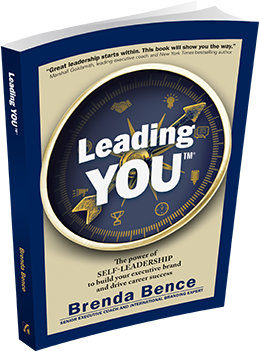
LEADING YOU™
The most important driver of overall success is your own self-leadership. How you lead yourself directly impacts your ability to lead others, and that, in turn, can prevent you from reaching your full potential.
Discover the power of SELF-LEADERSHIP to build your executive brand and drive career success.
 Brenda Bence is a globally recognized High-Stakes C-Suite Succession Coach and Executive Leadership Advisor, trusted by the world’s most influential organizations to navigate high-level leadership challenges and pivotal transitions with clarity and confidence.

