
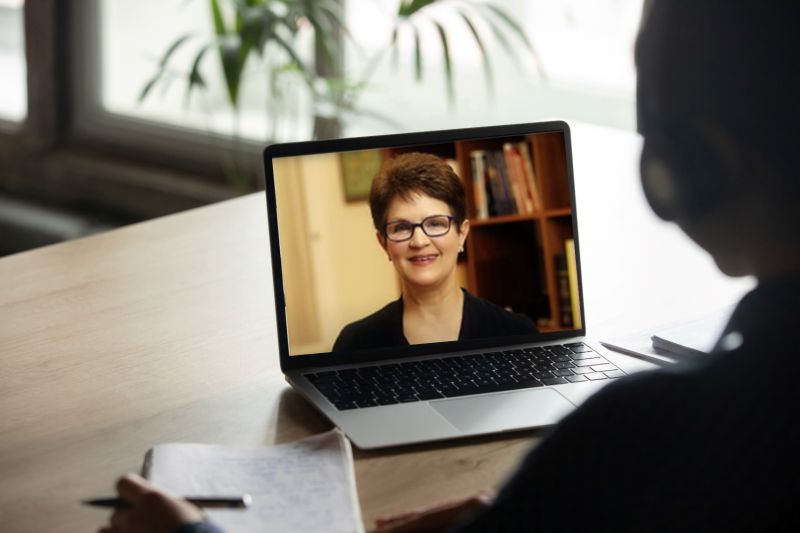
Remote work didn’t create most leadership problems. It revealed them.
Roughly 8 out of 10 remote-capable employees now work either hybrid or fully remote. Perhaps that’s why these questions are worth asking:
→ If trust only exists when people are visible, was it really trust?
→ If culture only works when everyone is in the same room, how strong was that culture to begin with?
→ If accountability depends on proximity, were expectations and outcomes ever clear enough?
Remote and hybrid work have made some leadership fundamentals impossible to ignore.
Communication takes more intention. Connection takes more effort. Recognition can be easier to miss. And trust has to be built more deliberately.
But maybe that’s not a bad thing because leadership was never meant to depend on physical proximity.
It was meant to depend on clarity, consistency, trust, feedback, and how people experience being led.
Perhaps the better question is not:
“How do we get people back where we can see them?”
But rather:
“Would people still feel well led, even when I’m not in the same room?”
❓ What do you think remote and hybrid work have revealed about leadership?
P.S. This is one reason I added a new chapter on remote and hybrid leadership to the updated and expanded edition of Would YOU Want to Work for YOU™?


0 Comments